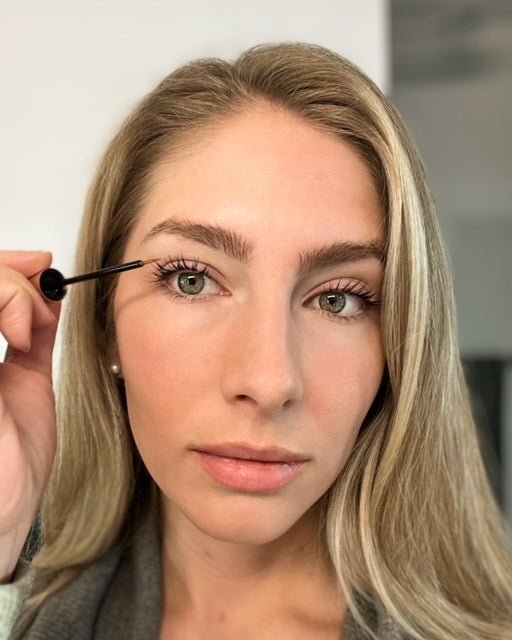
Eyelash serums have become one of the most popular beauty products for people who want longer, fuller-looking lashes. But as the category has grown, so has consumer awareness about lash serum ingredients and safety.
One term you may see frequently is “prostaglandin-free lash serum.”
For many consumers, this label has become an important factor when choosing a safe lash serum. But what exactly are prostaglandins, why are they used in some lash serums, and why do many modern formulas avoid them?
Understanding the science behind lash serum ingredients can help you choose a product that supports healthy-looking lashes while being gentle around the delicate eye area.
What Are Prostaglandins in Lash Serums?
Prostaglandins are lipid signaling molecules that naturally occur in the body and influence processes such as inflammation, blood flow, and hair follicle activity.
Synthetic prostaglandin analogs were originally developed for ophthalmic medications used to treat glaucoma, where they help reduce intraocular pressure.
During clinical use, doctors noticed an unexpected side effect: many patients developed noticeably longer and darker eyelashes.
Because prostaglandins can influence the anagen (growth) phase of the hair cycle, they became associated with dramatic changes in lash appearance.
This discovery led to the development of prescription treatments and cosmetic products that mimic prostaglandin activity.
Do Prostaglandin Lash Serums Work?
Prostaglandin-based products can produce very noticeable lash changes, which is why they became popular in early eyelash serums.
These ingredients work by influencing the biological signaling pathways around hair follicles and altering the eyelash growth cycle.
However, because prostaglandins interact with sensitive tissues around the eye, they may also produce unwanted side effects in some individuals.
Possible Lash Serum Side Effects
Side effects associated with prostaglandin analogs have been documented in ophthalmology literature and consumer use.
These may include:
• Eye irritation or redness
• Darkening of the eyelid skin (periorbital hyperpigmentation)
• Increased sensitivity around the eyes
• Changes in fat distribution around the eye area
• Rare but documented changes in iris pigmentation
While these effects are not experienced by everyone, they are one of the reasons many consumers now look specifically for prostaglandin-free lash serums.
Why Prostaglandins Are Regulated in Many Countries
Another important factor to consider is regulation.
Because prostaglandin analogs influence biological processes, many regulatory bodies classify them as drug ingredients rather than cosmetic ingredients.
For example:
• In Canada, prostaglandin analogs such as bimatoprost require drug approval through Health Canada.
• In the European Union, prostaglandin analogs are generally not permitted in cosmetic formulations under EU cosmetic regulations.
• Countries including the UK, EU member states, and Australia maintain strict oversight on products containing prostaglandin-related ingredients.
This regulatory environment has contributed to the rise of prostaglandin-free lash serums designed to support lash appearance using cosmetic ingredients instead.
Choosing products manufactured in countries with strict cosmetic standards, such as Canada, can offer additional reassurance regarding ingredient transparency and safety.
Why Peptides Are Becoming the Preferred Alternative
As awareness around prostaglandin side effects has increased, many modern lash serums have shifted toward peptide-based formulas.
Peptides are short chains of amino acids widely used in advanced skincare and haircare products.
In eyelash serums, peptides help:
• Condition lashes
• Improve lash strength and resilience
• Support healthier-looking lashes
• Reduce breakage of existing lashes
Rather than aggressively altering the lash growth cycle, peptide-based formulas focus on supporting the condition of natural lashes, helping them appear stronger and fuller over time.
Why Ingredient Placement Matters
When evaluating a lash serum, it’s helpful to review the ingredient list (INCI).
Ingredients are listed in order of concentration, meaning ingredients appearing earlier in the list are typically present in higher amounts.
For peptide-based formulas, it can be beneficial to see peptides listed relatively high on the ingredient list, indicating a meaningful presence within the formulation.
This can help ensure the formula provides effective conditioning and lash support.
Why Lumi Lash Is Prostaglandin-Free
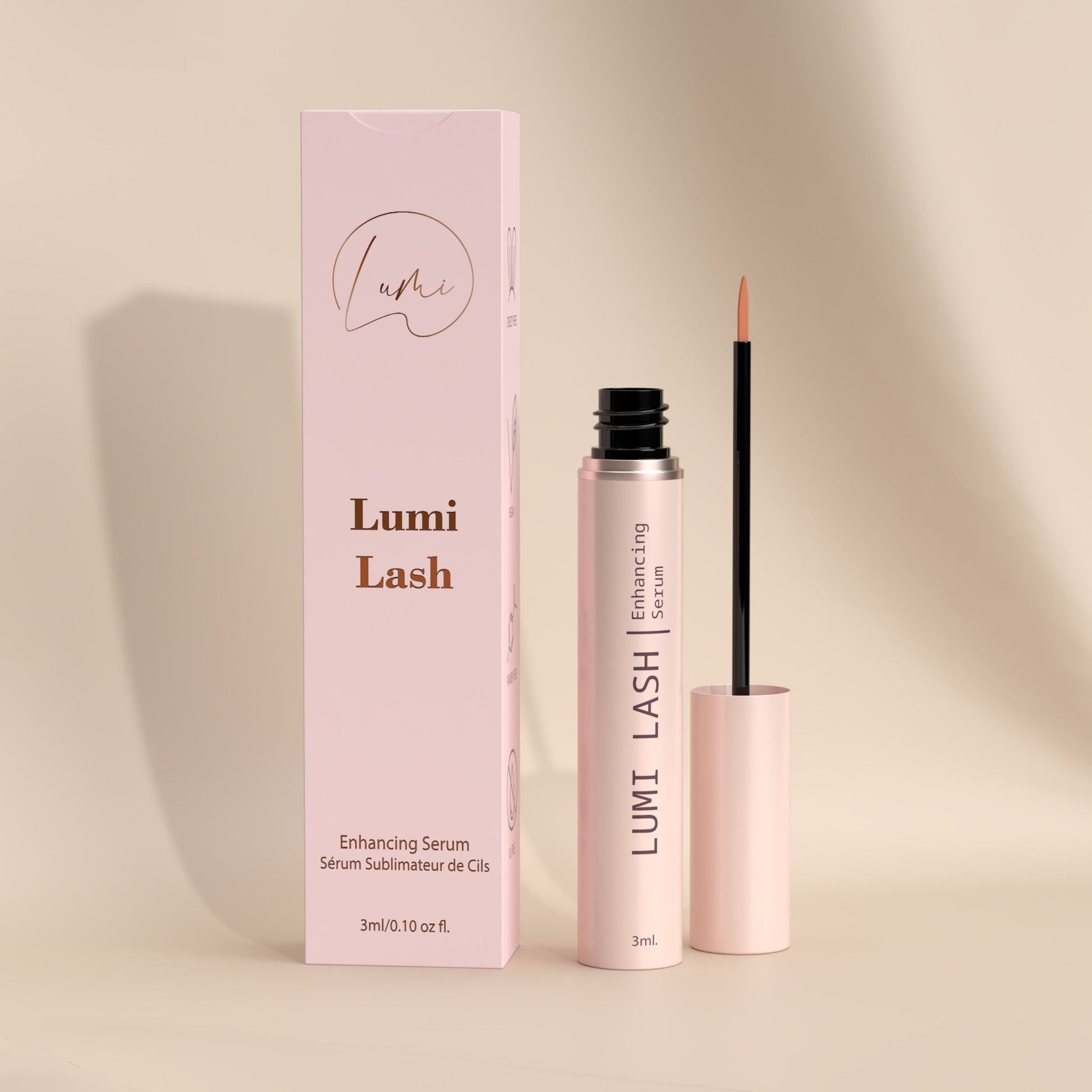
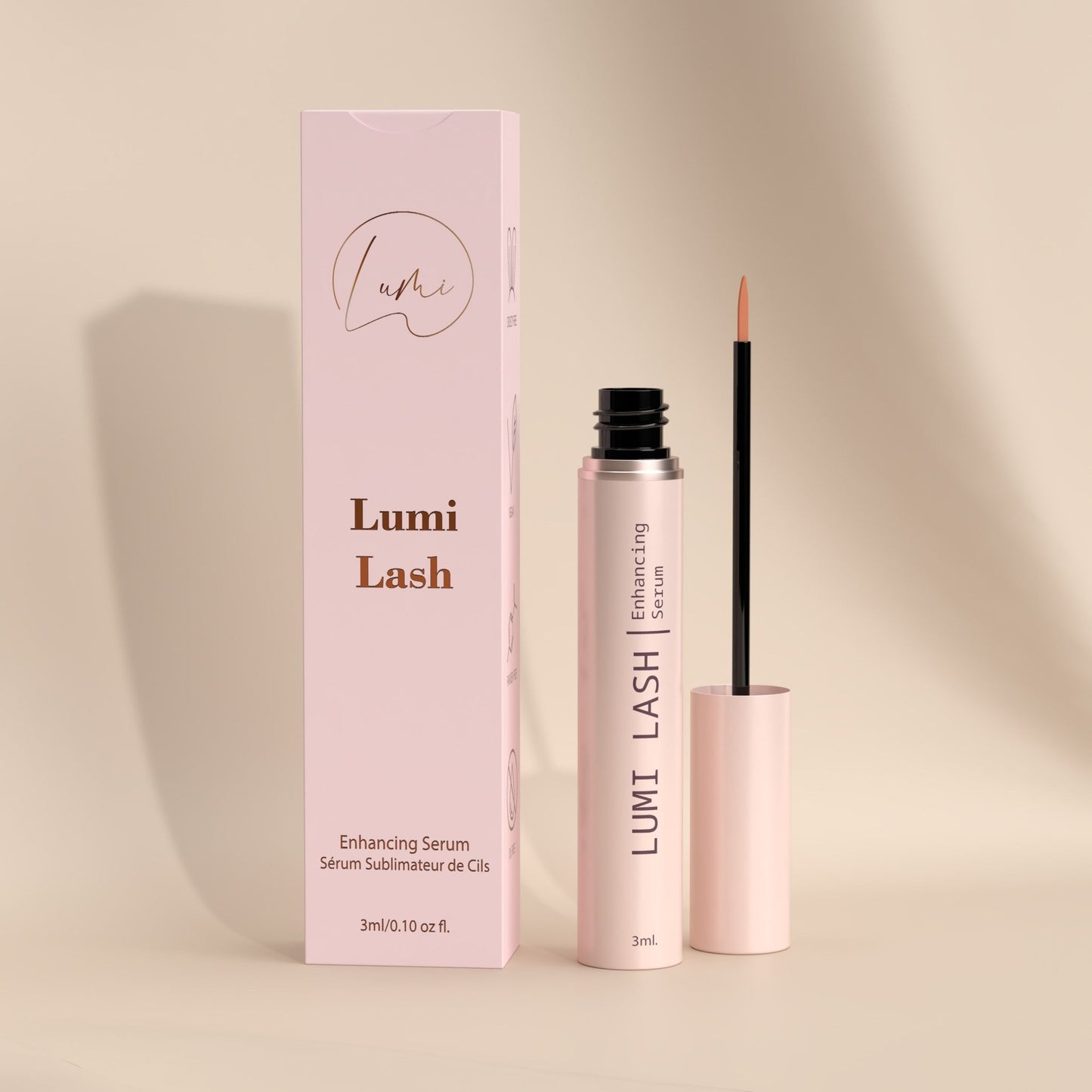
Lumi Lash Enhancing Serum was designed with a focus on supporting the appearance of healthier, fuller lashes while remaining gentle around the eye area.
Instead of prostaglandin analogs, Lumi Lash uses a peptide-rich formula that helps condition lashes and improve their overall appearance.
Lumi Lash is:
✔ Prostaglandin-free
✔ Formulated with conditioning peptides
✔ Made in Canada under strict cosmetic regulations
✔ Vegan and cruelty-free
✔ Gentle for sensitive eyes
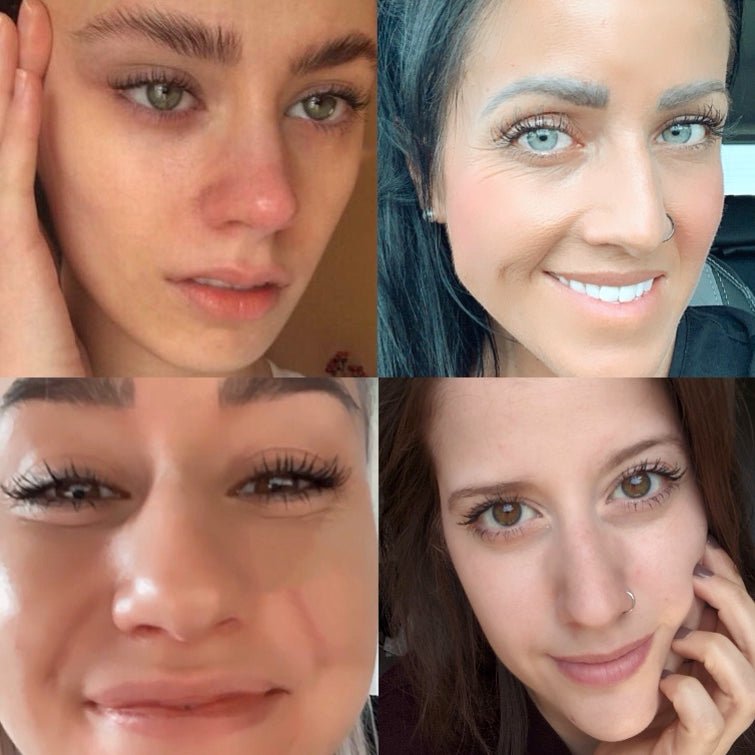
With consistent use, Lumi Lash helps support stronger-looking lashes and the appearance of fuller lash lines over time.
The Bottom Line
Prostaglandin-based lash serums can produce dramatic lash changes, but they may also come with potential side effects and regulatory concerns.
For many consumers, prostaglandin-free lash serums provide a gentler alternative that focuses on conditioning and strengthening natural lashes.
Peptide-based formulas help support the appearance of healthier, fuller lashes without relying on prostaglandin analogs.
That’s exactly the philosophy behind Lumi Lash Enhancing Serum.
✨ Stronger-looking lashes
✨ Fuller-looking lash lines
✨ Healthier lash appearance